

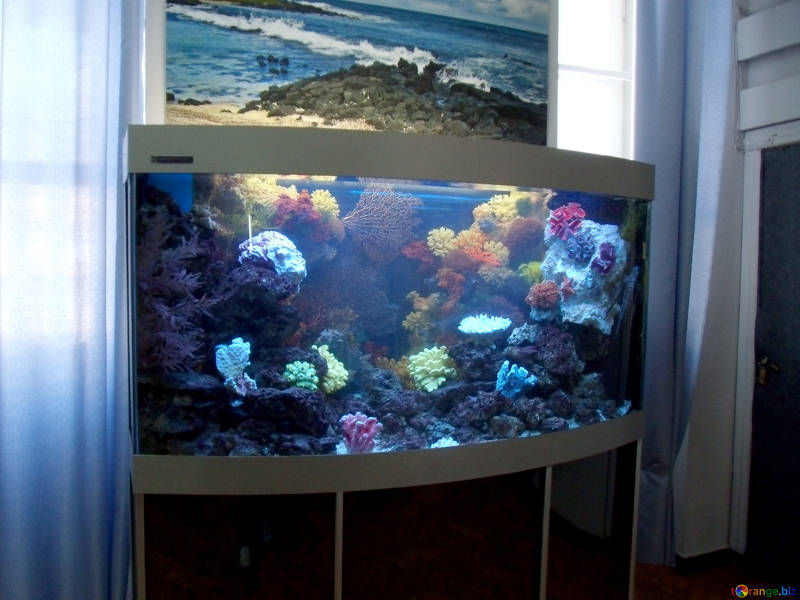
A Beginner’s Guide to Understanding the Nitrogen Cycle
CategoriesUncategorized
You recently found out about “reefing”, probably through a reefer friend, and totally fell in love with the hobby. The next day, you visit your LFS (local fish store) and buy your own tank. You probably feel tempted to get some corals and saltwater fish on the same trip, but that’s actually a terrible idea! Your new tank won’t be ready for adding corals and fish to it until it has gone through a process commonly known as the “nitrogen cycle”.
What is the nitrogen cycle:
The nitrogen cycle is a biochemical process during which nitrogenous compounds continually degrade from ammonia, to nitrite, and then to nitrates. It’s a natural process that happens in all ecosystems to process natural wastes. In a closed tank, however, this process needs to set up and controlled by the reefer. Ammonia and nitrites are highly toxic to corals and fish, which is why it is highly recommended that you don’t add them to your new tank right away, but instead wait until most of the ammonia has been transformed into nitrites, and then to nitrates, marking the end of the nitrogen cycle.
How to foster a nitrogen cycle in your new tank:
Step 1: Getting the ammonia going.
Usually, fish urine and wastes get transformed into ammonia by bacteria. Since we won’t be adding any fish to our tank yet, we need to find another way to produce ammonia. The answer lies in adding fish food. Add the same amount you would add if you were feeding fish. (Follow the LFS’s or your reefer friend’s instructions to get the amount right). Add food fish every 12 hours. Soon, the food will start to decay and release ammonia into your tank. You can add a dead shrimp and bottled bacteria to speed up the process.
Step 2: Testing for ammonia.
To do this, you will need a manual test kit or an automatic water-testing device such as the ReefBot. Test for ammonia every few days and make sure the level of ammonia is at least 3ppm. If it’s less, add more fish food to your tank. Soon, bacteria called Nitrosomonas will begin to grow and start consuming the ammonia, turning it into nitrites.
Step 3: Testing for nitrites.
Again, you will need a manual test kit or an automatic water-testing device to do this. Start testing for nitrites about a week after you begin adding fish food. At this stage, keep adding fish food to your tank as instructed above.
Step 4: Testing for nitrates.
When you notice that the level of nitrites in your tank has started to decrease, which usually takes about a few weeks since beginning the cycle, then you should begin testing for nitrates.
Simultaneously, you need to keep testing for ammonia and nitrites, and once their levels return to zero, then the nitrogen cycle is complete.
Also, make sure that the nitrates level in your tank remains below 40. If their level begins to increase beyond that, then you need to carry out some partial water change, removing no more than 20% of the total volume and adding new saltwater to your tank. Nitrates are generally safe for corals and fish in moderate levels, but too much nitrates is harmful.
Step 5: Adding fish and corals.
With the nitrogen cycle complete, it’s now safe to start adding corals and fish to your tank. But you need to do this gradually, only adding a few at a time, and wait for 1-2 weeks before introducing more. This will ensure the cycle doesn’t get disturbed.
As always, if you have any questions or feedback, please get in touch with us at [email protected]. We’d love to hear from you!
Download the Reef Kinetics Cloud Controller App:
What reefers are saying
Watch independent reviews from reef hobbyists around the world.
Recent Comments